
Explore our advanced solutions for HVAC, Mechanical, Electrical, and Automation design. Get in touch today

Furniture Design

Engineering-grade parametric modeling, joint integrity design, and precise manufacturing drawing packages.

Specialized Engineering Services

3D Design & Assembly Engineering

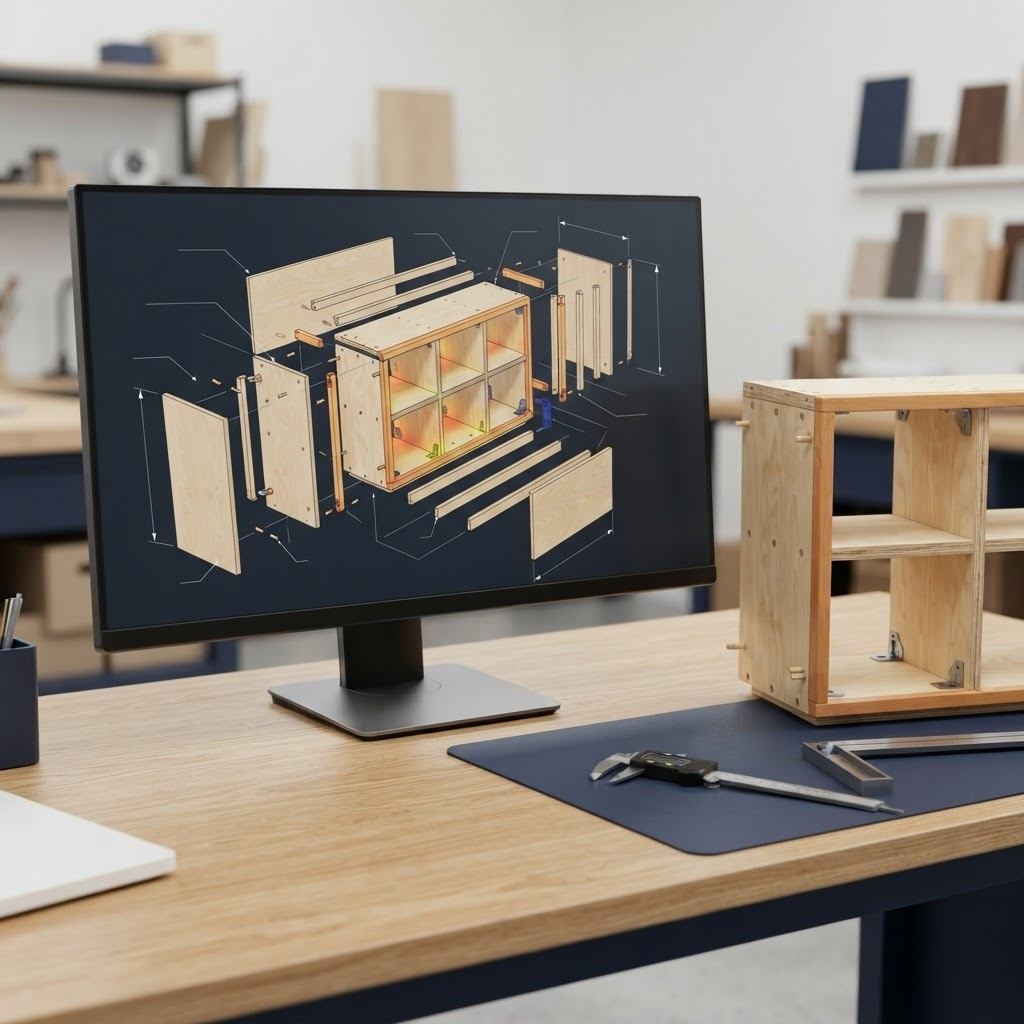
3D design and assembly engineering covers the core structural and modular development work behind manufacturable furniture — from the parametric 3D model through how pieces assemble and align during installation. Asset-Eyes builds these models to account for real material behavior and load paths, not just visual form.
Parametric 3D Assembly Development
Asset-Eyes develops parametric 3D assemblies for furniture, accounting for material properties, load paths, joint integrity, and manufacturing tolerances. This approach lets dimensional changes propagate correctly through the model instead of requiring manual rework at every revision. Asset-Eyes builds these assemblies so structural performance and manufacturability are considered from the earliest design stage.
Modular Assembly System Design
Asset-Eyes designs modular assembly systems that enable self-alignment and simplified installation. This reduces the skill and time required to assemble the finished piece correctly, whether by a factory worker or an end user. Asset-Eyes builds self-alignment directly into the joint and component geometry rather than relying on assembly instructions alone.
Load Path and Joint Integrity Engineering
Asset-Eyes engineers load paths and joint integrity as a core part of the 3D assembly process, ensuring the structure carries load through its joints as intended rather than concentrating stress at weak points. This engineering directly informs material selection and joinery method downstream. Asset-Eyes validates joint integrity against the specific load conditions the furniture piece will see in use.
3D Design & Assembly Engineering

Joinery, Materials & Manufacturing Documentation

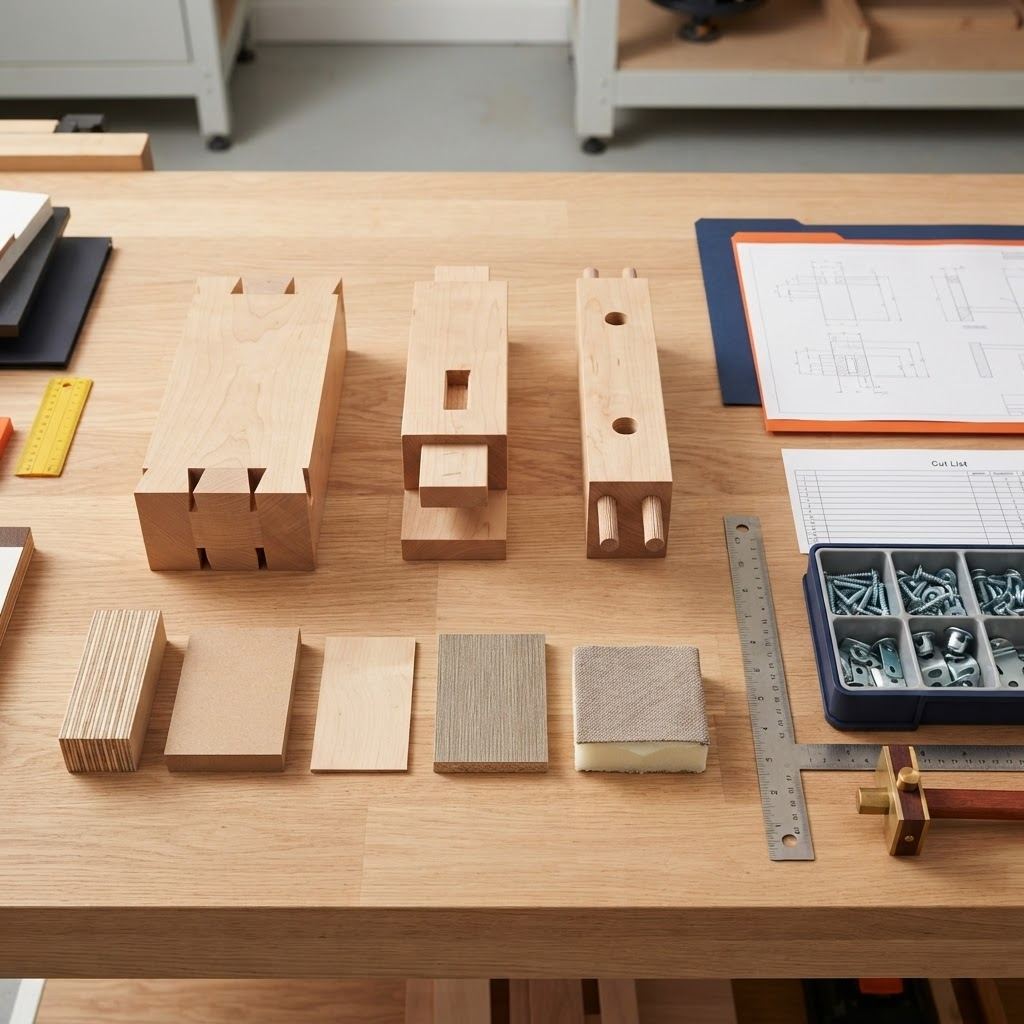
Joinery, materials, and manufacturing documentation cover how furniture pieces are physically joined, how raw material is planned and cut, and how the finished design is documented for production. Asset-Eyes designs joinery methods specific to the material and produces the documentation needed to manufacture and procure accurately.

Precision Joinery Design
Asset-Eyes designs precise joinery for solid timber and engineered wood construction, including mortise-and-tenon joints, dovetail connections, and dowel arrangements. Joint type is selected based on the specific material and load requirements of the piece rather than a single default method. Asset-Eyes engineers each joint to hold up under the load paths identified during assembly development.
Cut List and Material Optimization
Asset-Eyes develops precision cut lists defining exact raw material dimensions and optimized nesting sequences for sheet materials. This nesting optimization reduces material waste during production. Asset-Eyes ties the cut list directly to the finalized parametric assembly so dimensions stay consistent from design to production.
Manufacturing Drawings and Bill of Materials
Asset-Eyes develops fully dimensioned manufacturing drawings incorporating GD&T requirements, tolerance controls, and assembly sequences, along with a bill of materials built on standardized hardware specifications to support procurement efficiency. Together, these documents give production and procurement teams everything needed to build and source the piece accurately. Asset-Eyes produces this documentation directly from the finalized 3D assembly and joinery design.
Joinery, Materials & Manufacturing Documentation
Engineering Tools

Machine Design Engineered To Perform

Automation machine design is exclusively a 3D process at Asset-Eyes. We utilize industry-leading CAD environments to guarantee compatibility and seamless translation to the factory floor.
Engineering Tools
1

SOLIDWORKS

SOLIDWORKS is used to develop mechatronics systems from beginning to end. At the initial stage, the software is used for planning, visual ideation, modeling, feasibility assessment, prototyping, and project management. The 3D modeling software is then used for design and building of mechanical, electrical, and software elements
2

AutoCAD

AutoCAD is our primary design tool for controls engineering (electrical, fluid power) and the latest software versions are always utilized. We use the AutoCAD Electrical Toolset for the creation of controls drawings. The use of AutoCAD Electrical Toolset improves efficiency, reduces errors, and essentially creates a smart design package.
3

Additional Software Competence

For manufacturers standardizing on alternative platforms, our team maintains full functional design workflows in Autodesk Inventor and PTC Creo Parametric, ensuring full design history, parametric constraints, and drawing format compliance.

Resources

Let's Talk About Your Engineering Needs

Tell us where your team needs more capacity. We'll show you how our engineers can help.